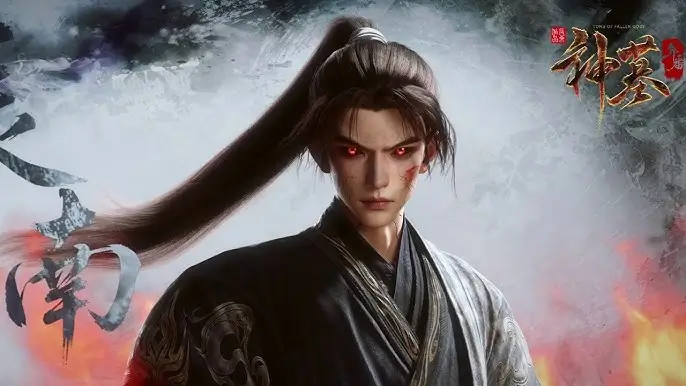
Donghua has grown massively in recent years, and Tomb of Fallen Gods is one of the titles that helped push Chinese animation into the global spotlight. With the arrival of Season 3, fans were eager to see whether the series could maintain its momentum, deepen its story, and raise the stakes even higher. The good news? Season 3 does not just continue the journey—it expands the world in meaningful ways while delivering a more mature and emotionally driven narrative.
This review will break down Tomb of Fallen Gods Season 3 from multiple angles: story progression, character development, animation quality, action scenes, pacing, and overall impact. Whether you are a longtime fan or someone considering starting this donghua, this article will give you a clear picture of what to expect.
Brief Overview of Tomb of Fallen Gods
Tomb of Fallen Gods is a fantasy-action donghua that blends cultivation themes, ancient mythology, dark secrets, and intense character-driven conflicts. The story follows Chen Nan, a cultivator whose life becomes entangled with forgotten gods, sealed powers, and long-buried conspiracies that shape the fate of the world.
What makes this series stand out is its darker tone compared to many cultivation-based donghua. Instead of focusing solely on power growth, it explores themes like loss, destiny, betrayal, and the price of seeking strength. By the time Season 3 begins, the series has already established a complex world and a protagonist burdened by both power and responsibility.
Story and Plot Development in Season 3
Season 3 takes a noticeable step forward in narrative depth. The plot becomes more layered, shifting from relatively straightforward conflicts into long-term consequences and moral dilemmas. Rather than relying only on constant battles, the story allows moments of tension, mystery, and emotional reflection.
One of the biggest strengths of Season 3 is how it connects past events to present choices. Secrets hinted at in earlier seasons begin to surface, and the audience finally starts to understand the true significance of the fallen gods and ancient tombs. These revelations do not feel rushed; instead, they unfold gradually, keeping viewers engaged and curious.
The pacing is generally well-balanced. While some episodes focus heavily on dialogue and world-building, others deliver high-intensity combat that reminds viewers why this donghua is known for its action. This mix prevents the season from feeling repetitive and helps maintain momentum throughout.
Character Development: Chen Nan and Beyond
Chen Nan’s Growth
Chen Nan experiences meaningful character growth in Season 3. He is no longer just a cultivator reacting to events around him; he becomes someone who actively questions his role in the world. His internal conflict—between gaining power and preserving his humanity—is more visible than ever.
Season 3 shows Chen Nan facing the consequences of his past actions. Some choices come back to haunt him, while others force him to protect those he cares about at great personal cost. This emotional weight makes him a more relatable and compelling protagonist.
Supporting Characters
The supporting cast also receives more attention this season. Allies are no longer simple helpers, they have their own motivations, fears, and hidden agendas. Some characters blur the line between friend and enemy, creating tension that adds depth to the story.
Female characters, in particular, are written with more nuance. Instead of serving only as emotional anchors or plot devices, they actively influence the direction of the story. This is a welcome improvement that strengthens the overall narrative.
World-Building and Lore Expansion
Season 3 significantly expands the lore of Tomb of Fallen Gods. Ancient legends, sealed realms, and forgotten battles are explored in greater detail. The world feels older, heavier, and more dangerous, which perfectly matches the darker tone of the series.
The concept of fallen gods is no longer just a mysterious background element. Their influence is felt directly in the present, shaping conflicts and challenging the characters’ understanding of power and destiny. This deeper lore rewards long-term viewers who have been paying attention since Season 1.
Animation Quality and Visual Presentation
From a technical standpoint, Season 3 shows clear improvement in animation quality. Character models are more refined, facial expressions feel more natural, and movement during action scenes is smoother. While it may not reach the level of top-tier cinematic donghua, it is more than impressive for a serialized production.
The use of lighting and color deserves special mention. Dark scenes inside tombs and ancient ruins are atmospheric rather than confusing, while outdoor battles feel grand and energetic. Visual effects during cultivation techniques and divine powers are flashy without becoming overwhelming.
Action and Fight Scenes
Action remains one of the strongest aspects of Tomb of Fallen Gods Season 3. The fight choreography feels more strategic compared to earlier seasons. Battles are not just about who has more power, but who uses it more intelligently.
Several fights in this season stand out due to their emotional stakes. Victories feel earned, and losses carry real consequences. This approach makes each confrontation meaningful instead of just visual spectacle.
Sound Design and Music
The soundtrack in Season 3 complements the darker tone of the story well. Background music during tense moments enhances the atmosphere without distracting from the dialogue. Action scenes are supported by impactful sound effects that make each clash feel heavy and intense.
Voice acting remains solid, with Chen Nan’s voice conveying both determination and inner conflict effectively. Emotional scenes benefit greatly from the performances, adding depth to key moments.
Themes and Emotional Impact
Season 3 leans heavily into themes of fate, sacrifice, and the cost of power. Characters are often forced to choose between personal desires and greater responsibilities. These moral dilemmas give the story emotional weight and encourage viewers to think beyond simple good-versus-evil narratives.
The emotional impact is stronger than in previous seasons. Loss, regret, and hope are all explored in ways that feel natural rather than forced. This maturity sets Season 3 apart from many other donghua in the same genre.
Weaknesses and Minor Issues
Despite its strengths, Season 3 is not without flaws. Some episodes rely heavily on exposition, which may feel slow for viewers who prefer constant action. A few secondary characters could benefit from more screen time to fully develop their arcs.
Additionally, new viewers jumping directly into Season 3 may feel overwhelmed by the complex lore. This season is best enjoyed after watching the previous installments.
Final Verdict: Is Tomb of Fallen Gods Season 3 Worth Watching?
Absolutely. Tomb of Fallen Gods Season 3 successfully builds on the foundation laid by earlier seasons while offering deeper storytelling, improved visuals, and stronger emotional resonance. It respects its audience by trusting them to follow complex ideas and appreciate character-driven drama.
For fans of dark fantasy, cultivation stories, and lore-heavy narratives, this season is a rewarding experience. While it may not be perfect, its ambition and execution make it one of the more memorable donghua seasons in recent years.
If the series continues in this direction, Tomb of Fallen Gods has the potential to stand among the top-tier donghua titles for years to come.