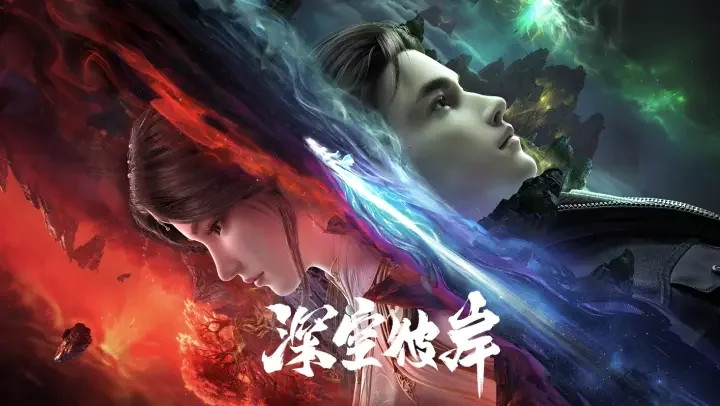
The Other Side of Deep Space is a Chinese donghua that blends science fiction, romance, and mystery into a single narrative. This series stands out because it focuses on human emotions while placing them in a futuristic setting filled with advanced technology and cosmic exploration. Instead of relying only on action, the story takes time to explore character growth, relationships, and moral choices.
This review discusses the story, world building, animation quality, characters, themes, and overall viewing experience. The goal is to help you decide whether this donghua fits your taste.
Overview of The Other Side of Deep Space
The Other Side of Deep Space is set in a future where humanity has expanded beyond Earth. Space travel is common, but it comes with risks that go beyond physical danger. The story explores what happens when humans face unknown forces that exist outside normal understanding.
The donghua does not rush its plot. Each episode adds small details that slowly build a bigger picture. This approach makes the series feel thoughtful and immersive.
Genre highlights:
- Science fiction
- Romance
- Drama
- Mystery
The mix of these genres gives the series a unique identity among modern donghua.
Story and Plot Analysis
The core story follows characters who operate at the edge of deep space missions. These missions are not only scientific but also personal. Every journey forces the characters to confront memories, regrets, and choices from their past.
The plot focuses on two main layers. The first layer is the external conflict, which involves strange phenomena in deep space. The second layer is the internal conflict, which centers on relationships and emotional struggles.
Instead of heavy exposition, the story reveals information through dialogue and visual cues. This makes the viewing experience more engaging because you need to pay attention to small details.
Pacing is steady. Early episodes focus on setup and character background. Middle episodes develop tension and emotional stakes. Later episodes start connecting earlier clues, creating satisfying payoffs.
World Building and Setting
World building is one of the strongest elements of The Other Side of Deep Space. The future setting feels believable because it is grounded in human behavior rather than pure technology.
Key aspects of the setting include:
- Advanced spacecraft design
- Artificial intelligence support systems
- Long distance space stations
- Psychological impact of deep space travel
The series shows that technology solves some problems but creates new ones. Isolation, time dilation, and emotional distance play major roles in shaping the characters.
Deep space is not portrayed as a simple adventure zone. It feels vast, quiet, and often unsettling. This tone supports the mystery and emotional weight of the story.
Character Development
Character writing is a major reason why this donghua feels mature. Each main character has clear motivations and flaws.
The protagonist is not a perfect hero. They make mistakes and question their own decisions. This makes their journey feel human and relatable.
Supporting characters are not just background figures. They have their own goals and emotional arcs. Some characters challenge the protagonist, while others offer emotional support.
Romantic elements are handled with restraint. Instead of dramatic clichés, the relationship develops through shared experiences and quiet moments. This makes the romance feel natural.
Character growth happens gradually. Changes in behavior feel earned rather than forced.
Themes and Messages
The Other Side of Deep Space explores several meaningful themes.
Human connection
The story shows how important emotional bonds are, even in a highly advanced future. Technology cannot replace genuine human understanding.
Isolation and distance
Physical distance in space mirrors emotional distance between characters. The donghua uses this parallel effectively.
Choice and consequence
Characters often face decisions with no perfect outcome. Every choice leaves a mark.
Identity and memory
Past experiences shape present actions. The series treats memory as both a strength and a burden.
These themes give the donghua depth beyond its sci fi setting.
- Is Donghua Older Than Anime? A Deep Dive Into the History of Eastern Animation
- Watch Renegade Immortal Full Episodes 1-85 (ENG SUB) – Complete Xianxia Adventure
- Unveiling Teacher Bei Chen: The Enigmatic Character of Donghua Ancient War Soul
- Ye Chen: The Protagonist of Donghua Legend of Martial Immortal
- Little Spirit Fairy: The Mystical Character in Donghua Killer Seven
Animation Quality and Visual Style
Animation quality is consistent and polished. While it may not aim for exaggerated action scenes, it excels in atmosphere and detail.
Character designs are clean and expressive. Facial expressions play an important role in conveying emotion.
Background art deserves special mention. Space environments, stations, and interiors are detailed without feeling overcrowded. Lighting is used well to set mood, especially in quiet or tense scenes.
Motion is smooth during both dialogue scenes and action moments. The animation supports the storytelling instead of distracting from it.
Sound Design and Music
Sound design enhances immersion. Background sounds inside spacecraft feel realistic and subtle.
The soundtrack focuses on ambient and emotional tones rather than loud themes. Music often fades into the background, allowing scenes to breathe.
Opening and ending themes match the overall mood of the series. They feel reflective and calm, reinforcing the emotional focus.
Voice acting performances are solid. Characters sound natural and emotionally convincing.
Comparison With Other Sci Fi Donghua
Compared to action focused sci fi donghua, The Other Side of Deep Space takes a slower and more emotional approach.
It shares similarities with character driven science fiction rather than spectacle driven stories. If you enjoy narratives that focus on psychology and relationships, this donghua offers something different.
Unlike many series that rely heavily on battles, this one uses tension, mystery, and dialogue to keep viewers engaged.
Strengths of The Other Side of Deep Space
- Strong character writing
- Balanced mix of sci fi and romance
- Thoughtful themes
- Consistent animation quality
- Immersive atmosphere
These strengths make the series appealing to viewers who prefer depth over nonstop action.
Weaknesses to Consider
- Slow pacing may not suit everyone
- Limited large scale action scenes
- Requires attention to details
If you prefer fast paced stories, this donghua may feel quiet. However, for viewers who enjoy reflective storytelling, this becomes a strength.
Who Should Watch This Donghua
This series is suitable if you enjoy:
- Science fiction with emotional depth
- Character focused storytelling
- Romance that develops naturally
- Stories that reward patience
It may not be ideal if you only look for action heavy animation.
Overall Review and Verdict
The Other Side of Deep Space is a well crafted donghua that prioritizes emotion, atmosphere, and character growth. It proves that science fiction does not need constant action to stay engaging.
By combining a believable future setting with human struggles, the series creates a meaningful viewing experience. The story respects the audience by trusting them to connect the dots and feel the emotions without over explanation.
If you want a donghua that feels calm, thoughtful, and emotionally grounded, The Other Side of Deep Space is worth your time.
Rating perspective:
- Story depth. High
- Character development. Strong
- Animation quality. Solid
- Emotional impact. Memorable
This donghua leaves a lasting impression through quiet moments and honest storytelling rather than spectacle alone.