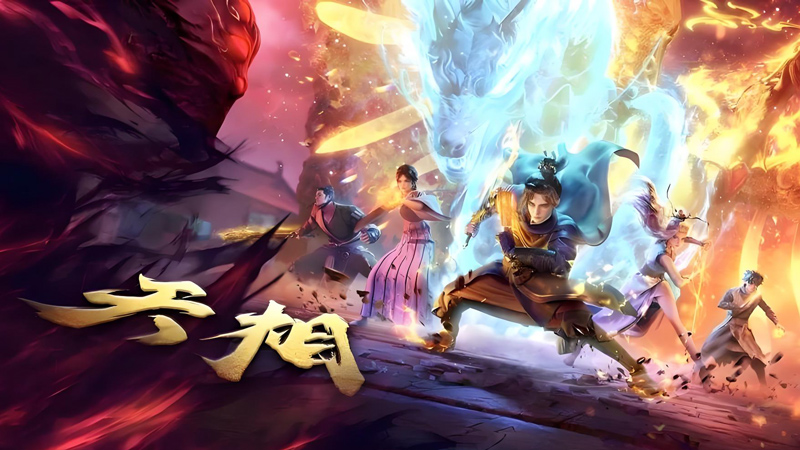
Donghua has grown rapidly in popularity over the last few years, attracting global audiences who enjoy cultivation themes, fantasy worlds, and visually striking animation. One of the newer titles that has started to catch attention is Divine Manifestation (sometimes written as Devine Manifestation by fans).
This donghua offers a classic cultivation foundation but adds its own twists through world-building, power systems, and character development. In this article, we’ll take a deep dive into Divine Manifestation, discussing the story, characters, animation quality, pacing, strengths, weaknesses, and whether it’s worth your time.
This review is written in a relaxed but informative tone, making it suitable both for longtime donghua fans and newcomers curious about the series.
Overview of Divine Manifestation
Title: Divine Manifestation Genre: Action, Fantasy, Cultivation, Adventure Type: Donghua (Chinese Animation) Themes: Spiritual cultivation, destiny, power growth, conflict between realms
Divine Manifestation follows the familiar yet beloved cultivation formula: a weak or underestimated protagonist, a dangerous world ruled by strength, and a long journey toward godlike power. However, what makes this donghua interesting is how it presents spiritual abilities as “manifestations” that reflect a cultivator’s inner will and destiny.
Rather than relying purely on brute force upgrades, the story places emphasis on understanding one’s own path, making cultivation feel more personal and meaningful.
Story and Plot Analysis
At its core, Divine Manifestation tells the story of a young cultivator who begins at the lower end of the power hierarchy. In a world where spiritual strength determines status, survival is never guaranteed.
The protagonist’s life changes when he awakens a rare and powerful manifestation—an ability that allows him to transform spiritual energy into tangible divine forms. This power draws attention from sects, enemies, and hidden forces operating behind the scenes.
A Familiar but Effective Structure
The story structure follows a traditional cultivation progression:
- Introduction of a weak or overlooked main character
- Discovery of a unique power or inheritance
- Gradual power growth through training and combat
- Encounters with stronger enemies and rival cultivators
- Expansion of the world and introduction of higher realms
While this formula is not new, Divine Manifestation executes it cleanly. The pacing avoids rushing major breakthroughs, allowing viewers to understand how and why the protagonist becomes stronger.
World-Building
The donghua introduces multiple cultivation realms, sects, and forbidden zones. Each location feels purposeful rather than decorative. Political tension between sects, hidden alliances, and ancient grudges add depth to the story.
What stands out is how the concept of “manifestation” is tied to the world’s philosophy. Power is not just accumulated—it is expressed. This gives fights more narrative meaning and avoids repetitive combat sequences.
Main Characters
The Protagonist
The main character is not portrayed as instantly overpowered. He struggles, makes mistakes, and occasionally underestimates his opponents. This makes his growth feel earned rather than forced.
His manifestation ability reflects his determination and evolving mindset. As he matures, his power changes in form and function, symbolizing inner development rather than just higher numbers.
Supporting Characters
Divine Manifestation features a solid supporting cast, including:
- Loyal allies who grow alongside the protagonist
- Rivals who challenge his beliefs and methods
- Elders and mentors with hidden motives
- Antagonists driven by ambition, fear, or obsession
Most characters serve a clear role in the narrative. While some follow familiar tropes, they are written well enough to remain engaging.
- Why China Bans Anime: Understanding the Cultural and Political Motives
- Which Clan Is the Strongest in the Donghua Battle Through the Heavens?
- Fox Spirit Matchmaker Review: A Captivating Donghua Journey
- Zhang Qiling: The Enigmatic Character in the Donghua Grave Robbers Chronicles (Daomu Biji)
- Review of Renegade Immortal Movie: Battle of the Gods – Is It Worth Watching?
Cultivation System Explained
One of the highlights of Divine Manifestation is its cultivation system. Instead of focusing only on realm levels, the donghua emphasizes:
- Spiritual comprehension
- Emotional control
- Willpower and intent
- Harmony between body and soul
Manifestations act as a visual representation of a cultivator’s spiritual path. Two characters at the same realm can have completely different combat effectiveness depending on how refined their manifestations are.
This system adds strategy to battles and prevents power scaling from becoming boring.
Animation and Visual Quality
Character Design
Character models are clean and modern, with detailed outfits that reflect sect identity and cultivation level. Facial expressions have improved compared to older donghua, making emotional scenes more impactful.
Action Scenes
Combat scenes are visually impressive without being overwhelming. Effects are used carefully, ensuring that viewers can still follow movements and techniques.
Manifestation-based attacks often look spectacular, especially during major battles where spiritual energy takes divine or symbolic forms.
Background and Environment
Landscapes range from peaceful mountains to dark forbidden zones. The environments feel alive and enhance immersion rather than serving as static backdrops.
Sound Design and Voice Acting
The background music supports the mood well, especially during intense confrontations and emotional moments. Traditional Chinese instruments are blended with modern orchestral elements.
Voice acting is solid, with clear emotional delivery. While it may not reach top-tier cinematic quality, it fits the tone of the series and avoids distracting performances.
Strengths of Divine Manifestation
- Clear and well-paced power progression
- Unique manifestation-based cultivation concept
- Visually satisfying action scenes
- Consistent world-building
- Easy to follow even for new donghua viewers
These strengths make the donghua a good recommendation for fans of cultivation stories who want something familiar but not boring.
Weaknesses and Criticism
No donghua is perfect, and Divine Manifestation has some weaknesses:
- Some side characters lack deep development
- Early episodes may feel slow for action-focused viewers
- Certain plot points follow predictable cultivation tropes
However, these issues do not significantly damage the overall experience. For many viewers, the strengths outweigh the flaws.
Comparison with Other Cultivation Donghua
Compared to popular titles like Battle Through the Heavens or Martial Universe, Divine Manifestation feels more introspective. It focuses less on constant power flexing and more on understanding the nature of strength.
This makes it appealing to viewers who enjoy character growth and philosophical elements alongside action.
Is Divine Manifestation Worth Watching?
If you enjoy cultivation donghua with steady progression, meaningful power systems, and clean animation, Divine Manifestation is definitely worth adding to your watchlist.
It may not reinvent the genre, but it refines many aspects that fans already love. The manifestation concept gives the series its own identity, helping it stand out in a crowded donghua market.
Final Verdict
Divine Manifestation is a solid cultivation donghua that balances action, storytelling, and character growth. Its unique take on spiritual power, combined with consistent animation quality, makes it an enjoyable experience for both casual viewers and dedicated donghua fans.
If you’re looking for a series that’s easy to follow, visually pleasing, and gradually rewarding, this donghua is well worth your time.
Rating: ⭐⭐⭐⭐☆ (4/5)
Have you watched Divine Manifestation? Share your thoughts and favorite moments!